Applying design to my own career
A brag document that keeps itself alive, almost without me.
TL;DR
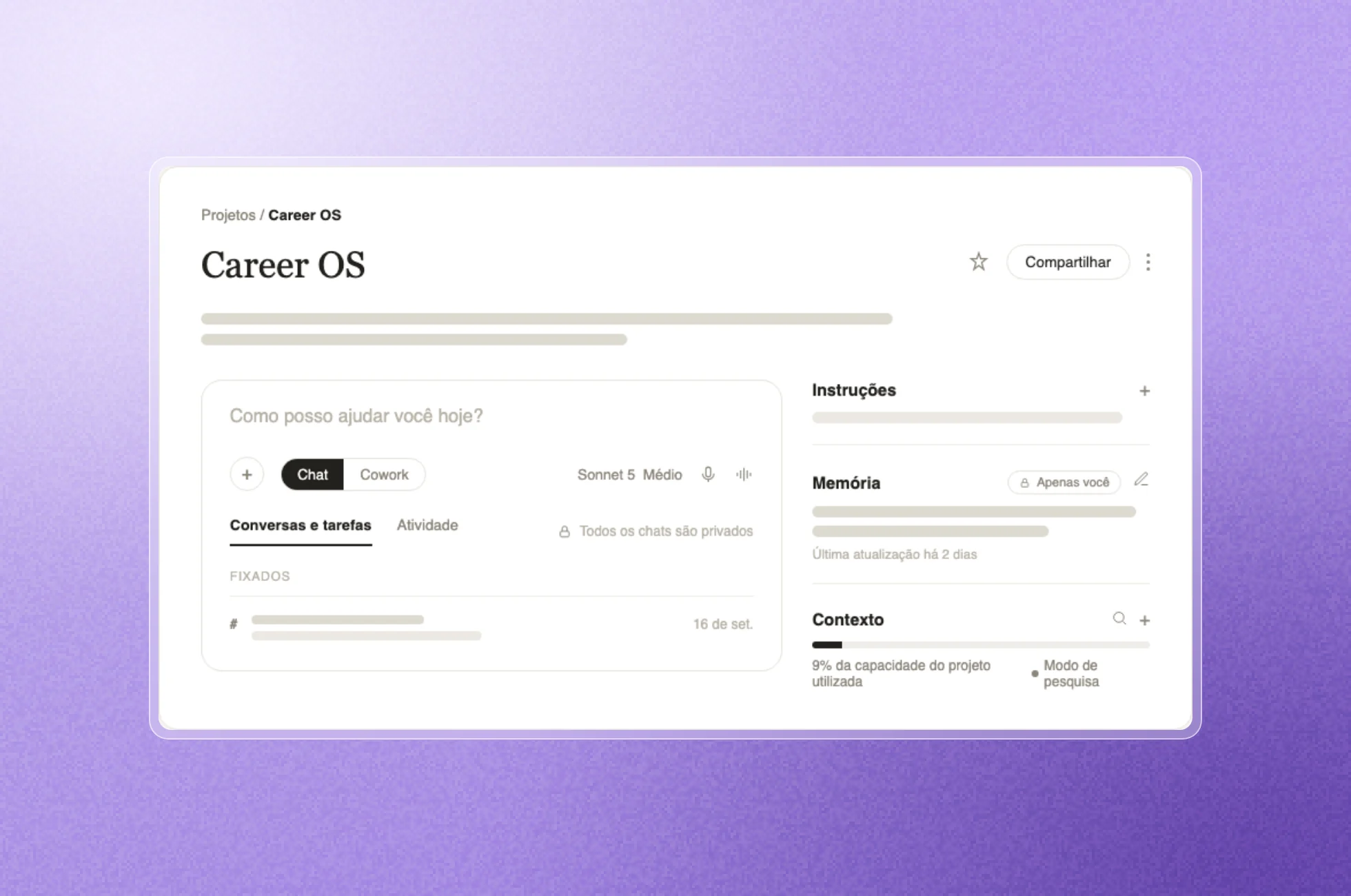
Good work tends to disappear: something important I did three months ago is easy to forget, for me and for whoever follows my career. A brag document is the obvious fix, but nobody keeps one. So I designed a system that holds itself up with the least possible effort from me.
I only capture raw lines, in about ten seconds. On Fridays the system scans my week, an honesty filter decides what counts as a win, and a monthly review turns it into a portfolio. A colleague installed it during my session with the design team.
Problem
The problem I actually had
Design work is easy to lose track of. Something important I did three months ago is easy to forget, for me and for whoever makes decisions about my career, and good work that nobody hears about doesn't get recognized.
The obvious fix is a brag document, but in practice nobody keeps one: it takes effort, you forget, and it's abandoned within weeks. So the problem was designing a system that holds itself up with the least possible effort from me, and is honest enough for someone to trust.
Challenges
- Maintenance: brag documents get abandoned, so capture had to take seconds, not minutes.
- Honesty: leadership notices an inflated document, so it had to separate my individual wins from the group's contribution.
- Memory: relying on remembering is the failure point, so the system had to catch what I'd forget.
- No self-promotion: the goal is visibility for the work, not inflating it.
Goals
- Reduce my part of the work to a task that takes seconds.
- Automatically turn what I did into what changed because of it.
- Have an honest, organized record ready to bring to leadership, at any moment.
How it works
Capture is my only task
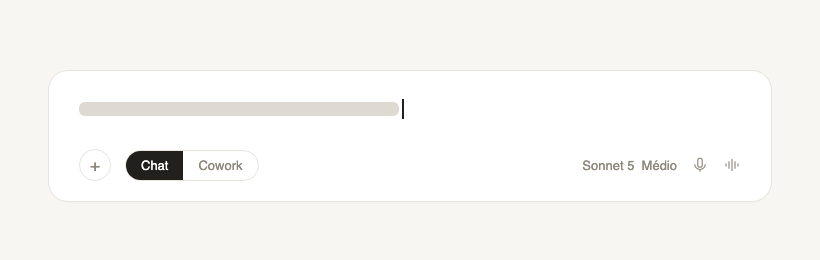
During the week, whenever something happens, I drop a quick, unpolished line into a chat. It takes about ten seconds; the refining comes later. If it took more than that, I'd stop doing it.
Friday's scan does the heavy lifting
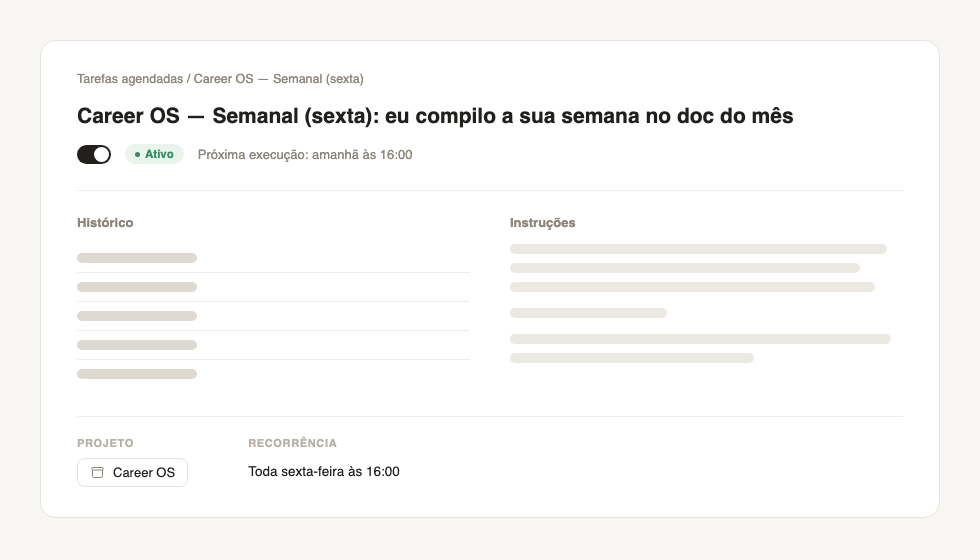
Every Friday, on its own, the system reads what I dropped and scans my actual week: emails, messages, meetings, transcripts. It turns each item into problem, what I found and what changed, connects it to the competencies I want to grow, and sends me a summary. It also catches what I forgot to write down.
The filter is what keeps it honest
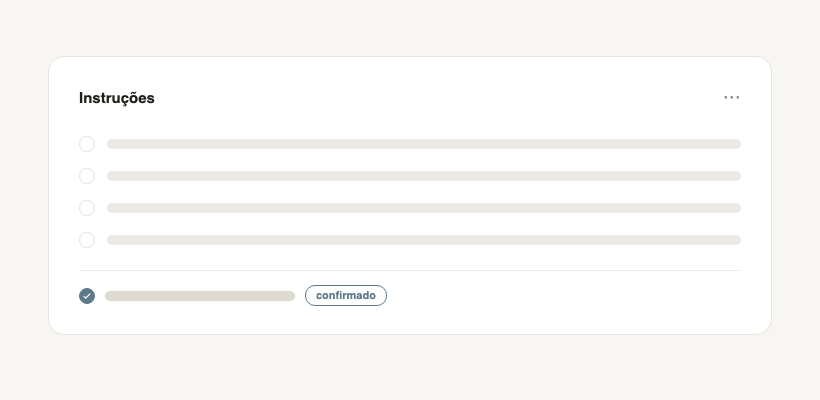
Every item goes through a test: did it really happen, with a clear source? Was it me or the group? Did it change something? Was the recognition about my work? Is the scale accurate? Whatever fails doesn't become a win. Leadership trusts the document because it isn't inflated.
The monthly review turns into a portfolio
Once a month, the system flags blind spots (no facilitation this month, for example) and curates an Impact Portfolio organized by competency, ready to show. It also keeps a “to make visible” list: good work I've done but haven't shown yet.
Impact
For myself first. I gained clarity and visibility into what I actually do. I walked into 1:1s and checkpoints with concrete material instead of a vague sense that I'd done well. Five minutes of capture a week sustains the whole system.
Then I tested it with the design team. I presented the system in a live session. One colleague installed Career OS on the spot, during the session itself, and said afterward it was one of the most productive hours of her month. Another colleague called the idea brilliant, especially the part of the filter that blocks self-promotion disguised as achievement.
The idea to scale it, a post for the team's substack, taking it beyond design, came from the team itself. I didn't push for it. This isn't closed adoption: the colleague's install is still a trial, and the ideas to expand haven't become a decision. But it's no longer just a tool I use. It's a system someone else could run on her own, and she validated it as useful for her own version of the problem too.
In retrospect
The risk I watch for is the system turning inward: a lot of care for the process and little visible result. The session with the team was a first test, with someone else installing it. Next, I'll watch whether my colleague keeps using it after the novelty wears off, and whether the ideas to expand go anywhere. If they do, it becomes a team initiative.
It's the same approach I use at work, applied to my own career: turning a vague problem into a system with clear rules, a filter and a clean output.
Want to see the system from the inside, the routine, the filter, the portfolio it produces? I'm happy to walk you through it.
A personal, independent project. Colleagues are referenced anonymously.